
Neuigkeiten zu Themen, Veranstaltungen, Projekten und Angeboten der Cogneon Akademie. Der Blog kann auch mit einem Feedreader abonniert werden (RSS-Feed).

WissensTransferCamp 2026 – Das Programm steht!
Am 23. und 24. September 2026 ist es wieder so weit, das WissensTransferCamp und die Masterclass am Vortag stehen auf dem Programm. Das Camp ist DIE Anlaufstelle für alle, die sich für Wissenstransfer und Wissensbewahrung interessieren – unabhängig davon,…
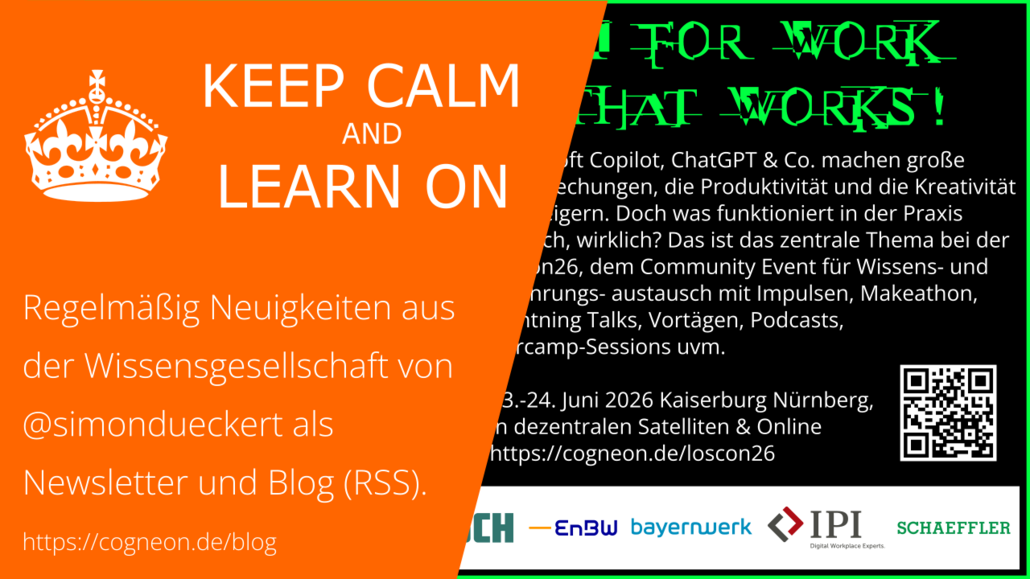
Programm der lernOS Convention 2026
Es sind nur noch drei Wochen bis zur lernOS Convention und wer noch auf die Burg nach Nürnberg kommen will, muss sich beeilen, es gibt nur noch 10 freie Plätze. Beim AI Crowdsourcing 2026 wurden 27 praxiserprobte KI-Anwendungsfälle eingereicht, die…
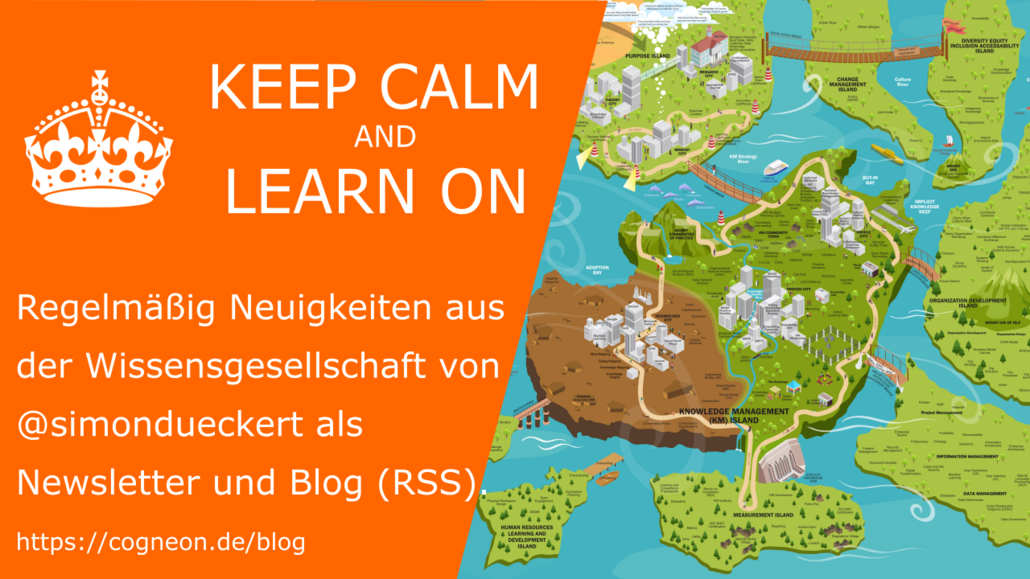
Projektmanagement trifft Künstliche Intelligenz
Technische Trends halten im Wissensmanagement immer schnell Einzug, insbesondere bei besonders wissensintensiven Tätigkeiten wie dem Projektmanagement (s.a. Vortrag Projektmanagement mit Sozialen Medien). Aktuell ist die Künstliche Intelligen das Trendthema im Wissensmanagement und mit Marc Widmann habe…
Psychologische Wirkfaktoren im Wissenstransfer
Wissensmanagement wird immer noch oft als Technikprojekt verstanden, was oft zum Scheitern (die berüchtigte „Wissensdatenbank“ oder zu völlig überzogenen Erwartungen (Wissensmanagement = Künstliche Intelligenz) führt. In diesem KCLO möchte ich mal…
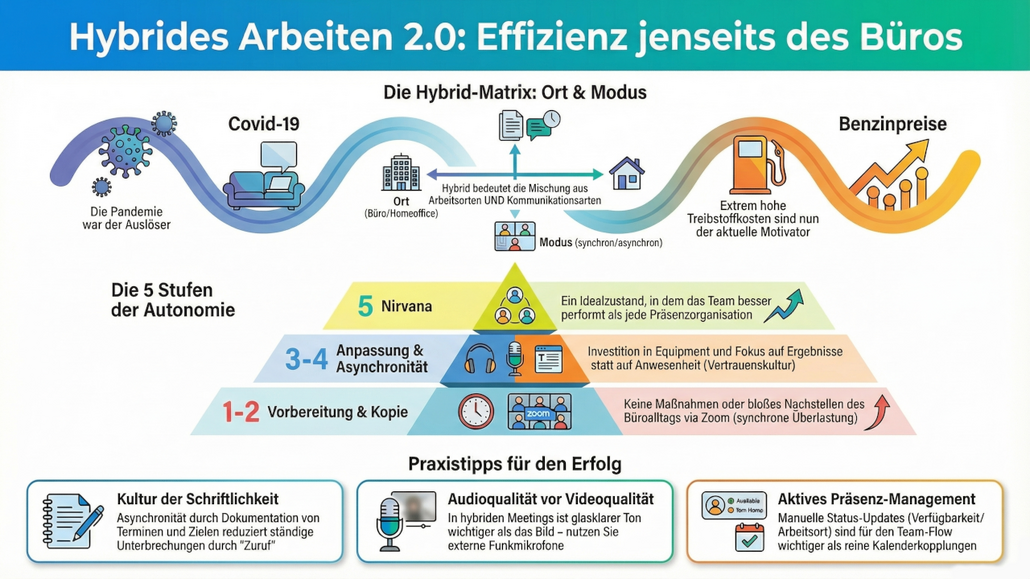
Hybrides Arbeiten – ein Mittel gegen hohe Benzinpreise?
In der Covid-19-Pandemie waren viele Menschen gezwungen, aus dem Homeoffice heraus zu arbeiten. Viele waren überrascht, wie gut das nach dem Überwinden einiger Anfangsschwierigkeiten funktioniert. Doch viele Organisationen haben nach dem…
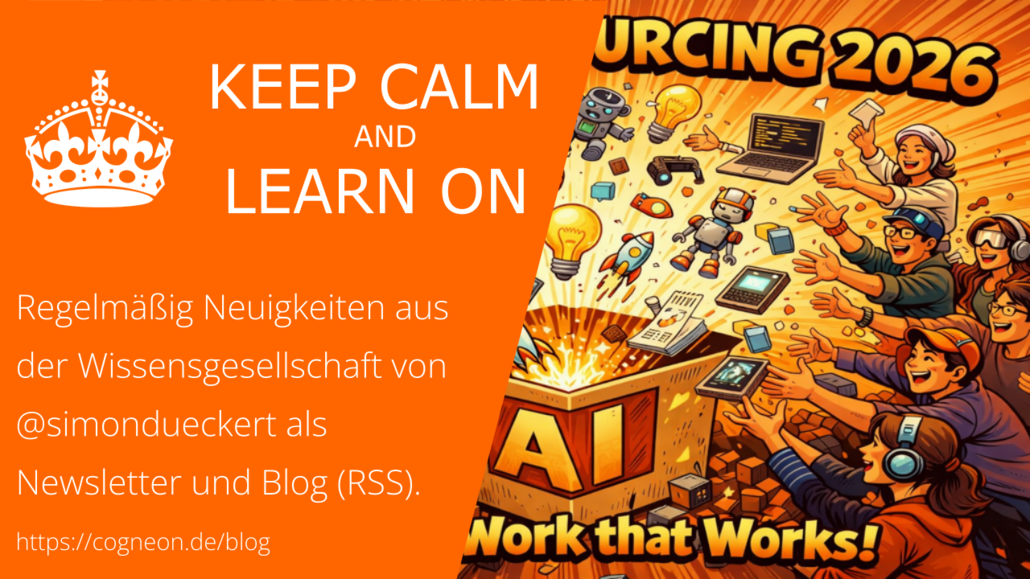
Mach mit: AI Crowdsourcing 2026
Anthropic hat mit knapp 81.000 Antworten die wohl bisher größte KI-Nutzerstudie durchgeführt und nach Hoffnungen, Erwartungen und Ängsten zu KI gefragt. Das passt zum angelaufenden AI Crowdsourcing 2026, denn da sind bereits die ersten…
lernOS Convention 2026: AI for Work that Works!
Ab morgen bin ich beim Corporate Learning Camp 2026 in Hamburg, aber diesen KCLO wollte ich euch vorher noch zukommen lassen. Es gibt erste Details zur lernOS Convention 2026 mit dem Motto „AI for Work that…
Corporate Learning Camp 2026
In knapp zwei Wochen ist das Corporate Learning Camp in Hamburg und online (#clc26). Dort will ich motiviert durch den Digital Independence Day eine kleine Mastodon Offensive 2026 starten. Außerdem gibt es in diesem KCLO einen Überblick…
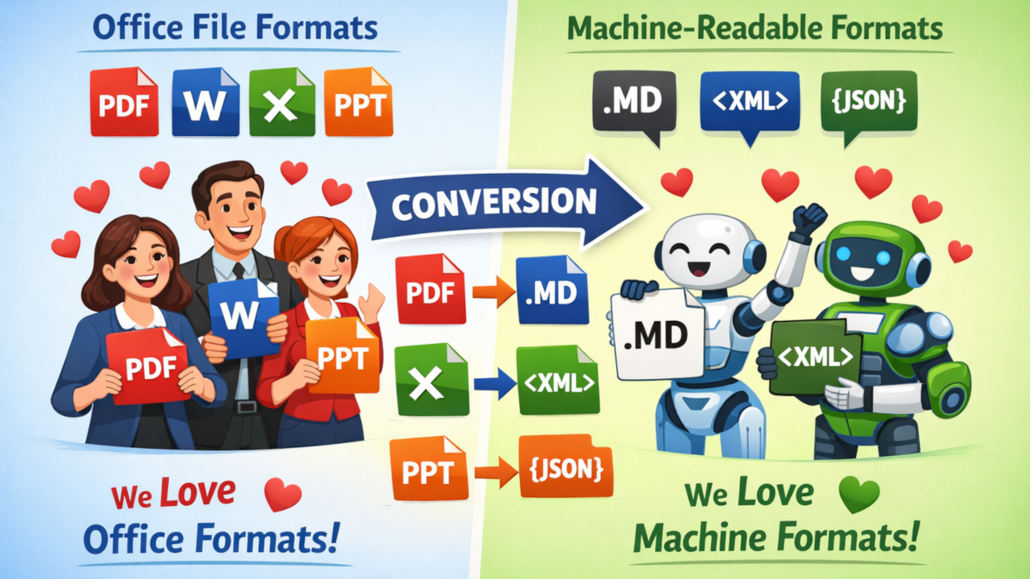
Barrierefrei für Mensch und Maschine – Kleine Helferlein zur Konvertierung von Office-Dokumenten in maschinenlesbare Formate
Die „Währung“ in der dokumentiertes Wissen in Organisationen transferiert wird sind Office-Dateiformate wie pptx, docx, xlsx und PDF. Leider sind das Formate, die für Maschinenlesbarkeit denkbar ungünstig sind. Oft sind sie…

AI Crowdsourcing 2026 – Gemeinsam die wirklich nützlichen KI-Anwendungen finden!
Alle fühlen gerade, dass wir bei Künstlicher Intelligenz im Hype Cycle über den Berg der überzogenen Erwartungen hinaus sind, viele warten auf das Platzen der KI-Blase in diesem Jahr und die eigene Arbeit…
AI Crowdsourcing 2026 – Gemeinsam die wirklich nützlichen KI-Anwendungen finden!
In meinem Blogbeitrag zum Jahresthema 2026 habe ich es bereits angekündigt: Nach zwei Jahren KI-Einführung (s.a. Bericht Benchlearning-Projekt 2025 – KI für Alle) in Unternehmen wollen wir dieses Jahr herausfinden, was…
Jahresthema 2026: AI for Work that Works!
Das ist der letzte KCLO vor einer hoffentlich ruhigen und erholsamen Jahresendzeit (ich werde dafür weniger Nachrichten schauen, dann geht das schon ;-) In dieser Newsletter-Ausgabe werde ich aus hoher Flughöhe auf das vergangene…